Halo Studio by Joneil Escobar
Startup speed.
Studio craft.
Product design for founders whose product has outgrown the way it was first built. Every new client starts with an audit, not a design file.

They built products with me.
Working with Joneil frees up your cognitive load. You stop second-guessing design decisions and trust they’ll be the right ones.

Jessie Ma
Co-founder @ Werk.dance
Joneil has a spot-on instinct for how people move through a product, while making it look and feel great. She’s incredibly collaborative, easy to work with, and always moving things forward.
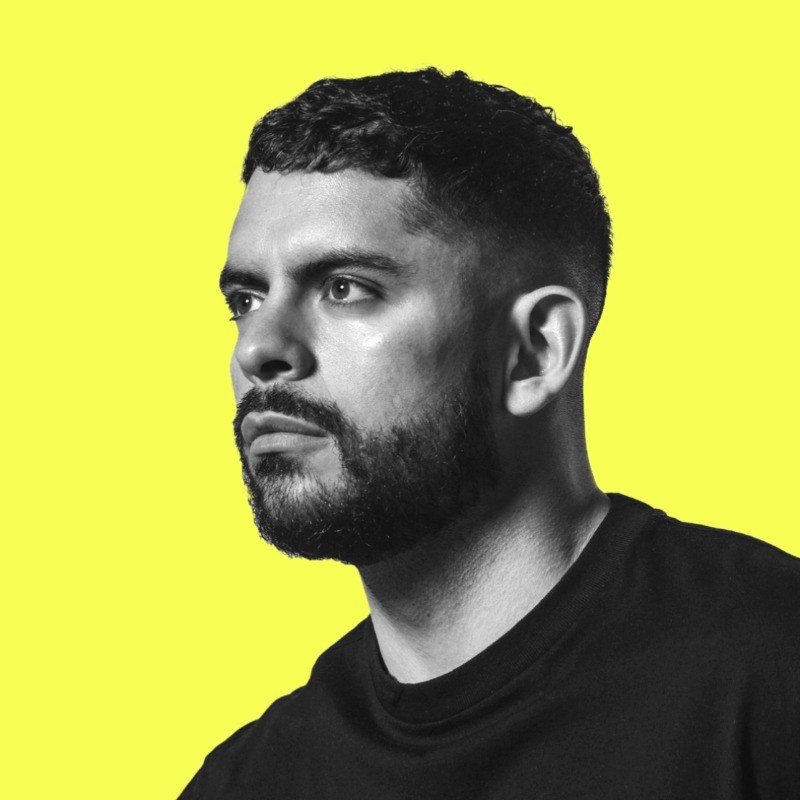
David Osorno
Co-founder @ Werk.dance
Joneil communicated design intent clearly and made handoffs incredibly efficient, so it was always clear what we were building and why. She consistently pushed for reusable patterns over one-off solutions, and her attention to detail made the product feel polished and intentional.

Hector Ligsay
Founding Engineer @ Werk.dance
Joneil was instrumental in translating product ideas into production-ready designs, clearly articulating the UX and UI tradeoffs behind each decision. She’s the kind of designer whose impact shows up well beyond the interface.

Steven Huang
Product Lead @ Werk.dance
Problem
Your product isn't failing on execution.
It's failing on strategy.
As startups move beyond MVP, product decisions get harder, but shipping more features or moving faster rarely fixes what's actually wrong.
If this feels familiar, you're probably not struggling with design. You're missing clarity, coherence, or constraint somewhere in your product strategy.As startups move beyond MVP, product decisions get harder, but shipping more features or moving faster rarely fixes what's actually wrong.
What it feels like to build your product.
01
"We're shipping features, but adoption isn't improving."
Your team is moving quickly, but you're not always confident you're building the right things.
02
"Every new feature feels like starting from scratch."
Without shared patterns and systems, your team keeps rebuilding what they've already solved.
03
"The way we built our MVP doesn't scale anymore."
What worked for a team of three starts breaking as your company grows and more product decisions need to be made.
What your team feels like.
What it feels to be a founder.
01
"Every important product decision comes back to me.
Your team shouldn't need you to move every product decision forward.
These aren't design problems. They're strategy problems.
Framework
A hundred quick decisions got you here. I make them feel like 1.
Products past MVP are usually fine in pieces and incoherent as a whole. Fixing that takes someone who can work out what's actually wrong, design the fix, and leave behind a system your team can build on.
That's the work. How much of it you need is the other question.

Strategy
Before anything gets designed.
End-to-end product audit
What to fix first, and what to leave alone
Information architecture and product structure

Design
Flows people actually move through.
UX, user flows and core journeys
Onboarding and zero-to-one features
Brand, visual design and UI

Systems
Leave something the team can build on.
Design system audit and cleanup
Extending the system you already have
Components, patterns and documentation
Developer handoff and specs
Pricing
Three ways in. None of them start with design.
Guessing at the problem is how a design budget gets spent twice. So every engagement starts by finding it first, at whatever depth the work needs. I take two clients at a time, so it's the same person from the first week to the last.
Deep Dive
A week audit inside your product, end to end. You get back what's working, what isn't, and what to fix first.
Starting at $1,500 · 1 week
Sprint
One month on one thing. Starts with a few days scoping the area, then designed, specified, and handed over ready to build.
Starting at $7,000 · 1 month
Partnership
Me inside your team as your product designer. Not a vendor you brief, someone who's in it with you.
Deep Dive included.
Starting at $5,500/month
3-month minimum

Already did a Deep Dive? You won't pay for it twice. On a Partnership, it comes off your first month. On a Sprint, we skip the scoping and start designing on day one.
Studio Story
Why I built halo studio
I founded halo studio because I kept seeing the same pattern across startups.
Product design has changed. AI and no-code tools mean anyone can spin up a screen, a flow, even a working product in a weekend. But building fast and building something that can actually scale are two different things. The bottleneck isn't execution anymore. It's whether the right design thinking is behind it.
Teams weren't struggling because they lacked talent. They were struggling because product decisions lived in people's heads instead of shared systems. Founders became the bottleneck, engineering rebuilt work, and everyone worked hard, just not always in the same direction.
After 5 years designing products alongside founders, product teams, and engineers, I realized I didn't want to build another design studio.
I wanted to build a kind of partnership that helps startups make better product decisions, put the right systems in place, and leave every team more capable than when we started.
That's why halo studio works as an embedded product partner. My goal isn't just to improve the product you're building today. It's to improve how your team builds products tomorrow.
Joneil
Founder, halo studio
5+ years in startup product design
Frequently Asked Questions
Things you might be wondering
I'll talk through your company and goals on the discovery call and recommend the best option for you.
01
Do we have to start with the Deep Dive?
Yes. How deep depends on what you're buying. A Partnership starts with the full one-week Deep Dive across your whole product. A Sprint starts with a few days on just the area we're fixing. Either way, we find the problem before anyone designs against a guess. After that we decide together whether a Sprint, a Partnership, or nothing at all is the right next step. It's once per client, not once per project, so if we work together again later we pick up where we left off. The exception is a major restructure or pivot, where the product has changed enough that the last read no longer describes it.
02
How is halo studio different from an agency or a freelancer?
An agency takes a brief and hands back designs. A freelancer executes what you've already decided. I work inside your team, in the conversations where product decisions get made, and leave behind systems your team keeps using. I also take two clients at a time, so you get me rather than someone junior with my name on the invoice.
03
What's the difference between the Sprint and the Partnership?
A Sprint is one month on one defined problem, with a defined end. You know what needs to change, we fix it, we're done. A Partnership is ongoing, with a three-month minimum, for teams who want someone in the product conversations continuously. The simplest test: if you can name the one thing that needs fixing, that's a Sprint. If the answer keeps changing, that's a Partnership.
04
How involved will you be?
It depends on the engagement. The Deep Dive is one focused week where I'm in your product rather than in your meetings. A Sprint is a defined block of time on one piece of the product, with regular reviews. A Partnership is roughly half my working capacity, so I'm in your product conversations and your Figma with a predictable cadence for reviews and decisions.
05
We already have a design system. Do we still need you?
Maybe not, and I'll say so if that's true. A design system makes a product consistent, but it doesn't tell you whether you're building the right things or why the same decisions keep getting relitigated. If your system is working, I'll build on it rather than replace it. I don't rebuild systems from scratch when an existing one can be extended.
06
What if we're not a fit?
I'll tell you on the call, before you've spent anything. Two clients at a time means taking the wrong one is expensive for both of us, so I'd rather be direct early than manage a bad fit for three months.